
When Litter Box Patterns Change: What to Pay Attention To
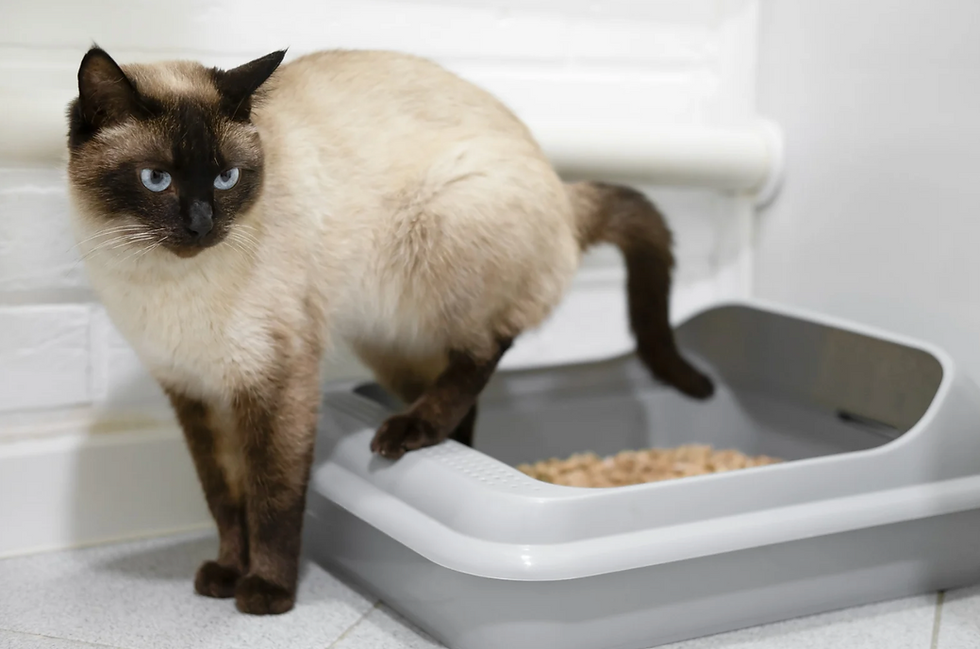
Cats communicate discomfort quietly. Rather than vocalizing pain or obvious symptoms, changes often appear in daily routines, especially litter box behavior. Because elimination reflects digestion, hydration, mineral balance, and stress, even subtle shifts can offer insight into what may be happening internally. Observing patterns over time can help support informed care and guide next steps with a veterinarian.
Common Litter Box Changes to Notice
Small changes may include:
Increased or decreased frequency
Longer time spent in the litter box
Avoidance or accidents outside the box
Changes in stool texture, size, or odor
These signs are not diagnoses, but they can reflect changes in how the body is processing food, fluids, and waste.
What Litter Box Habits May Reflect
Elimination patterns are influenced by multiple systems working together, including:
Digestive efficiency and gut balance
Hydration and mineral intake
Detoxification and waste clearance
Stress, environmental shifts, or aging
Mobility and comfort when accessing the box
Because cats instinctively mask discomfort, internal imbalances may surface behaviorally before physical symptoms are obvious.
How Nutrition and Internal Balance Play a Role
Digestive function and waste elimination rely on adequate hydration, balanced minerals, and a well-supported gut environment. When these factors are disrupted, stool consistency, frequency, or comfort during elimination may change. Some pet owners choose to explore nutrition-based wellness tools that support these foundational processes as part of a broader care routine.
Why Bill & Coo Products May Support Litter Box Health
Within the Bill & Coo line, certain products are formulated with ingredients selected to support internal systems closely tied to elimination patterns:

AniGreens contains a blend of plant-based nutrients and superfoods that may help support digestive efficiency, gut environment balance, and nutrient utilization, all of which influence stool quality and regularity.
Longer Lives is formulated to support aging animals by focusing on cellular health, barrier integrity, and overall metabolic balance, which may be relevant for cats experiencing age-related changes in digestion, hydration, or mobility that affect litter box use.
These products are not intended to diagnose, treat, or prevent disease, but may be incorporated thoughtfully as part of a wellness-focused approach alongside veterinary care.
The Importance of Observation
Tracking litter box behavior over time, alongside diet, hydration, and routine changes, can provide valuable context when discussing health with a veterinarian. Clean litter boxes, easy access, consistent routines, and supportive nutrition all contribute to a more complete picture of feline well-being.
The Takeaway
A cat’s litter box can be one of the most honest reflections of internal balance. Paying attention to small changes, understanding what they may reflect, and supporting foundational health through observation and nutrition can help maintain comfort and quality of life. Sometimes, the quiet signals matter most.


Comments